SpaceX goes public: scale, valuation and the road ahead
Fraser Betkowski - Apr 02, 2026
SpaceX’s confidential IPO filing has jolted markets in a way few listings ever do. The scale, timing, and ambition of the deal signal not just a major capital‑markets event, but a test of how far public investors are willing to stretch for a company that has already outgrown the private sphere. Even with sparse disclosures, the outlines are clear enough to see that this offering will challenge long‑held assumptions about valuation, liquidity, and index inclusion.
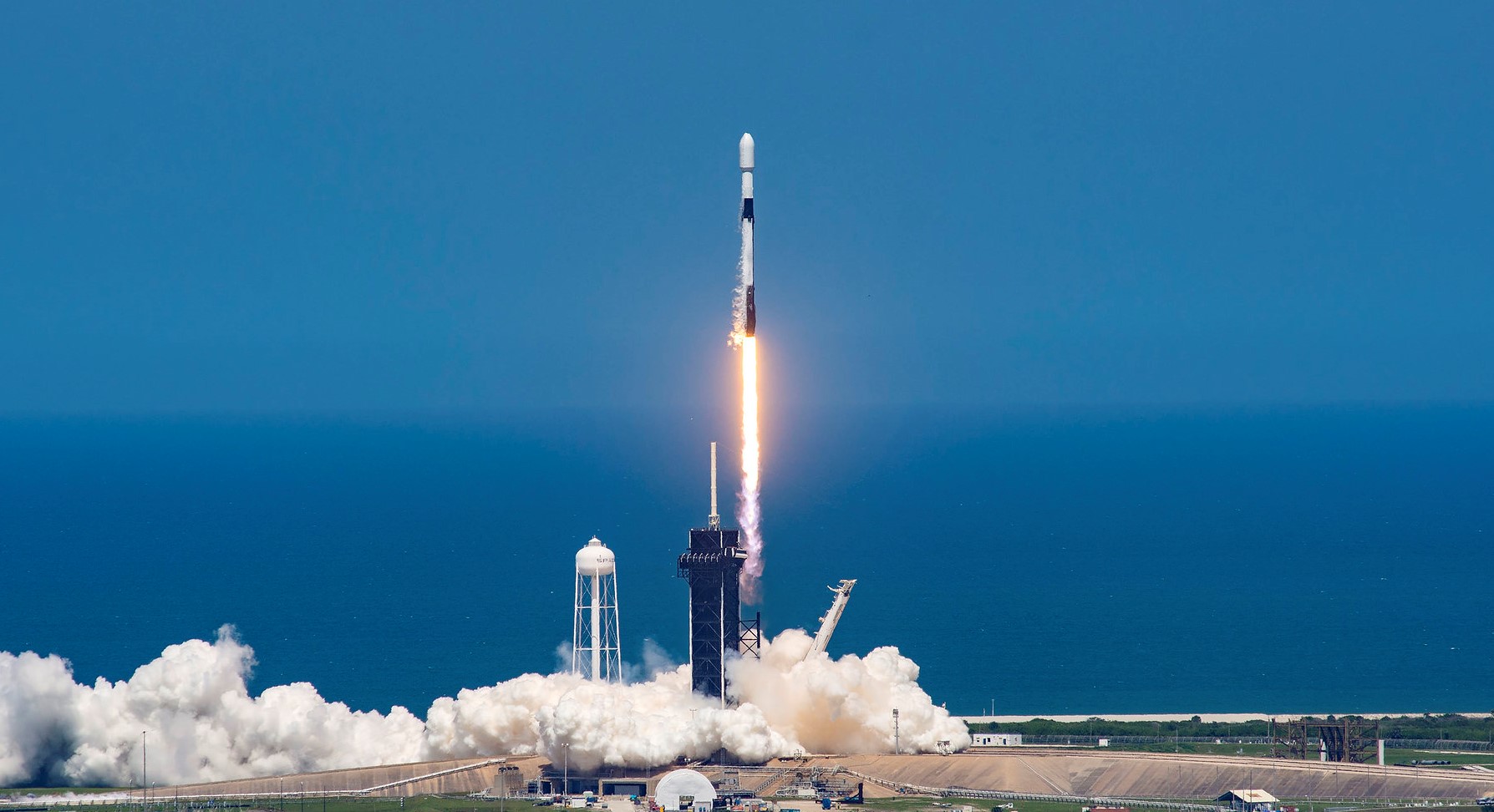
Source: SpaceX
The company is reportedly seeking a valuation near $1.75 trillion, which would place it just behind the largest U.S. tech giants on day one. That leap is staggering when set against its recent history: roughly $90 billion in 2022 and about $200 billion in late 2024. The acceleration reflects both the rapid scaling of Starlink and the recent absorption of xAI, Elon Musk’s AI venture valued privately at $250 billion despite limited revenue and heavy losses. The combination complicates the investment case, forcing investors to weigh strong operating momentum against a valuation that implies extraordinary, sustained growth.
Craig Coben, former global head of equity capital markets at Bank of America, has noted that the deal resembles a controlled liquidity event more than a classic price‑discovery exercise. That framing resonates. Two decades of private fundraising have created a shareholder base with diverse mandates and substantial embedded gains. Many early investors, employees, and crossover funds now hold positions that are simply too large relative to their portfolios. Even with a float reportedly below 5%, the incentive to monetize at least part of these holdings is immense, and managing that supply—both real and anticipated—will be one of the deal’s defining challenges.
Recent Nasdaq rule changes add another twist. By removing the requirement that at least 10% of shares be publicly floated and shortening the waiting period for index eligibility to 15 days, the exchange has opened the door for SpaceX to receive significant passive inflows shortly after listing. ETFs tracking the Nasdaq 100 manage more than $500 billion, and even a modest index weight could translate into substantial mechanical demand. Whether that demand offsets the looming overhang from existing shareholders remains uncertain.
The fundamental question is valuation. SpaceX reportedly generated $16 billion in revenue and $8 billion in EBITDA last year, with guidance pointing to $22–24 billion in revenue for 2026. Even granting those forecasts, the implied valuation requires investors to assume hyper‑growth well beyond the visible horizon. No major company has gone public at anything close to the revenue multiples being discussed. The offering will test how much investors are willing to pay for a unique strategic asset with limited direct competition and an exceptionally strong founder brand.
As the prospectus emerges, the focus will shift to lockup mechanics, the transparency of financial disclosures, and the balance between long‑term conviction and short‑term speculation. How SpaceX navigates these factors will determine whether this becomes a landmark in modern IPO history—or a reminder that even exceptional companies must still clear the hurdle of valuation.
Fraser Betkowski
The opinions expressed in this report are the opinions of the author and readers should not assume they reflect the opinions or recommendations of Richardson Wealth Limited or its affiliates. Richardson Wealth Limited is a subsidiary of iA Financial Corporation Inc. and is not affiliated with James Richardson & Sons, Limited. Richardson Wealth is a trade-mark of James Richardson & Sons, Limited and Richardson Wealth Limited is a licensed user of the mark. Richardson Wealth Limited, Member Canadian Investor Protection Fund.